
glass mirrors for sale
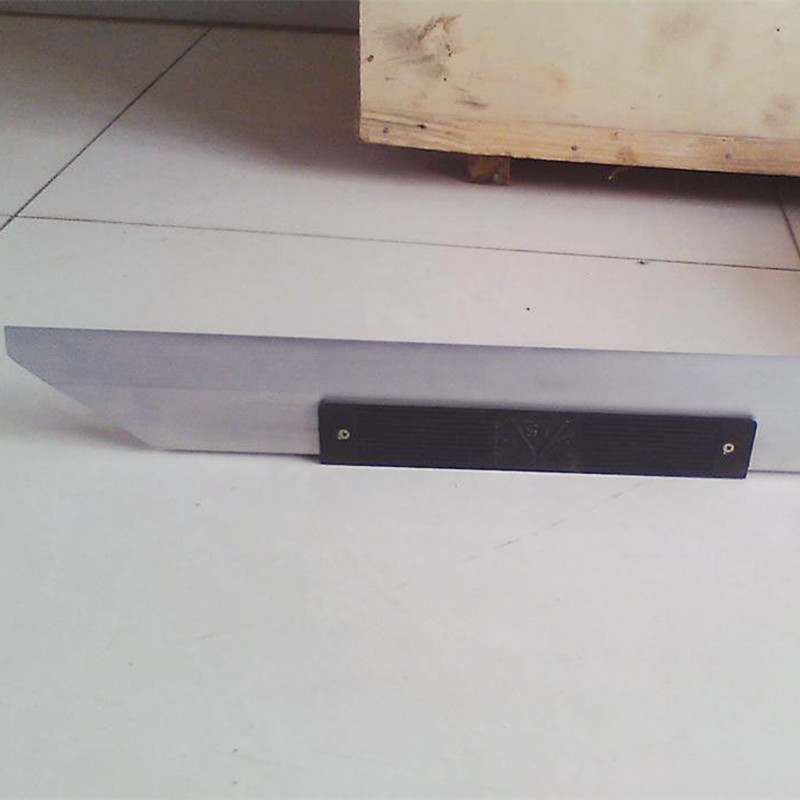
Understanding Internal Taper Gauges A Comprehensive Overview In the realm of precision measurement tools, the internal taper gauge stands out as an essential instrument for assessing the internal diameters of tapered holes, tubes, and various other components. This specialized gauge not only ensures the accuracy of production processes but also maintains the quality and reliability of finished products in industries like manufacturing, automotive, and aerospace. What is an Internal Taper Gauge? An internal taper gauge is a measuring device specifically designed to measure the internal dimensions of tapered openings. It typically consists of a tapered rod with calibrated markings and an adjustable mechanism that enables the user to accurately assess the diameter at different points along the taper. The primary design of this gauge allows it to fit various internal shapes, providing versatility in measurement. Applications of Internal Taper Gauges These gauges are commonly used in scenarios where precision is crucial. For example, in the automotive industry, internal taper gauges are critical for measuring components such as fuel injectors, exhaust pipes, and various fittings. In aerospace, these gauges ensure that components like turbine casings and fuel systems comply with stringent specifications. Such precision is necessary not only for proper fit but also for the overall safety and performance of the systems involved. How to Use an Internal Taper Gauge Using an internal taper gauge requires a careful procedure to ensure accurate results . Here are the basic steps involved 1. Preparation Before using the gauge, ensure it is calibrated and clean. Any debris or corrosion can affect measurement accuracy. 2. Insertion Carefully insert the tapered end of the gauge into the opening you wish to measure. It should fit snugly but not forcefully. 3. Adjustment Adjust the gauge to make contact with the internal surface of the taper. The gauge should be rotated gently to secure a proper fit against the interior walls. internal taper gauge 4. Reading Measurements Once adjusted, read the measurement from the calibrated markings. Depending on the design, some gauges may offer digital readouts, while others rely on manual markings. 5. Recording Document the measurement for future reference or quality control purposes. Advantages of Using Internal Taper Gauges The use of internal taper gauges offers several benefits - Precision These gauges allow for high accuracy in measurement, which is crucial in ensuring parts fit together properly, thereby enhancing overall functionality. - Versatility Internal taper gauges can accommodate a variety of sizes and shapes, making them suitable for many applications across different industries. - Durability Most internal taper gauges are made from robust materials, ensuring they can withstand frequent use while maintaining accuracy. Conclusion In summary, internal taper gauges play a pivotal role in the quality assurance processes of modern manufacturing and engineering practices. Their ability to provide accurate and precise measurements of internal tapered dimensions is invaluable in maintaining the integrity and functionality of critical components. As industries continue to evolve towards more complex designs and stringent quality demands, the importance of accurate measurement tools like the internal taper gauge will only increase. Investing in high-quality gauges and training personnel in their proper use can lead to significant improvements in product quality and operational efficiency.
about
glass mirrors for sale
Understanding the Price Factors of 50mm Gate Valves When looking to purchase a 50mm gate valve, understanding the factors that influence its price is essential for both individuals and businesses. Gate valves are crucial components in various piping systems, primarily used to start or stop the flow of fluids. As with any product, the price of a 50mm gate valve can vary significantly based on various aspects, including material, brand, design, and market demand. Material Composition One of the most significant factors affecting the price of a gate valve is the material from which it is made. Gate valves can be constructed from various materials such as cast iron, stainless steel, brass, and plastic. For instance, a stainless steel gate valve will typically cost more than a brass or cast iron counterpart due to its superior corrosion resistance, durability, and strength. Buyers should consider the fluid they plan to regulate, as certain materials are more suitable for specific applications, impacting long-term costs due to maintenance and replacement needs. Brand Reputation Brand reputation also plays a vital role in the pricing of gate valves. Well-established brands often command higher prices due to their reputation for quality, reliability, and customer service. Purchasing a valve from a reputable manufacturer might incur a higher upfront cost, but it can save money in the long run through fewer failures and replacements. Newer or lesser-known brands may offer more competitive pricing, but they might not always provide the same level of assurance regarding performance and longevity. Design and Technology 50mm gate valve price The design of the gate valve can also impact its price. Advanced designs that incorporate features such as better sealing capabilities, anti-leak technology, or other innovative mechanisms may come at a premium. Furthermore, custom designs tailored for specific applications could also lead to higher costs. Buyers should assess their specific requirements to determine if these advanced features justify the additional expense. Market Demand and Supply Chain Factors Market demand and supply chain dynamics significantly affect pricing trends. In periods of high demand, such as during large construction projects or infrastructure upgrades, prices may rise due to competition for available products. Conversely, during economic downturns or when demand decreases, prices may drop as suppliers look to move inventory. Additionally, it's crucial to consider the impact of global events on supply chains, which can lead to fluctuations in material costs and availability, further influencing the final price of the gate valve. Installation and Maintenance Costs While the purchase price of a 50mm gate valve is important, buyers should also factor in the costs associated with installation and maintenance. Some designs may require specialized installation techniques or tools, leading to increased labor costs. Additionally, regular maintenance is necessary to ensure the valve operates correctly and has a long lifespan. Understanding these associated costs can provide a comprehensive picture of the total investment required for a 50mm gate valve. Conclusion In conclusion, the price of a 50mm gate valve is influenced by multiple factors, including material composition, brand reputation, design features, and market dynamics. Buyers should carefully evaluate their needs, considering both upfront costs and ongoing maintenance to ensure they make an informed decision. By doing so, they can find the best balance between affordability and reliability, ensuring optimal operation in their piping systems.
-

High quality industrial productsagement

High quality industrial products
View Details -

Meet the diverse needs of customers

Meet the diverse needs of customers
View Details -

Strict quality control

Strict quality control
View Details -

Top raw materials

Top raw materials
View Details -

Trusted supplier

Trusted supplier
View Details
Our application



news and information
Y-type Strainer Valve Design and Applications in Fluid Management Systems
Understanding Y-Type Strainer Valves A Comprehensive Overview In various industrial and commercial a
Wholesale Supply Solutions for Valves and Related Components
Understanding the Valve Wholesale Industry Trends and Insights In the dynamic landscape of industria
Y-Type Cast Iron Strainer for Efficient Fluid Filtration and Flow Control
The Importance of Cast Iron Y-Type Strainers in Industrial Applications In various industrial applic
 English